Author: Mark Rouse
8-10 mins read
Introduction
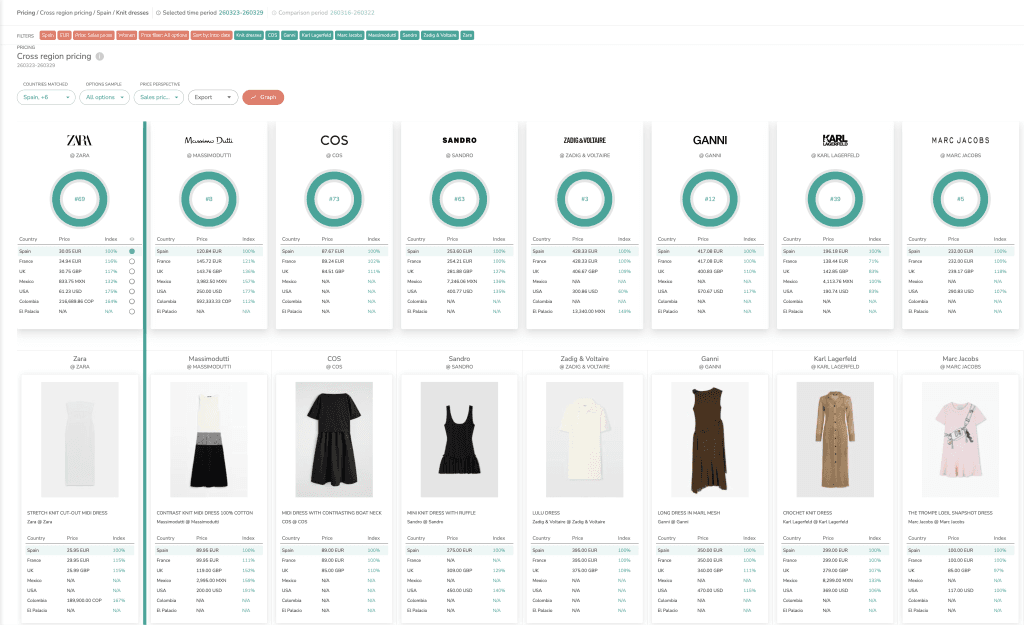
Setting RRP’s can be a challenge in itself. Add the need to price in multiple currencies for different markets and even to differentiate prices in shared currencies eg. Euros for individual markets and you are faced with significant complexity. Then there is market reality: you may have set the ideal RRP, but if third parties are selling your product, will they use it or set their own price?
Then consider market volatility caused by political decisions, which can bring the need to increase prices for margin protection whilst needing to remain competitive.
The process of price setting and management is complicated, data-intensive and ever faster.
This guide is intended to provide you with tips and tricks on how to manage this process to achieve the best possible results.
Setting an RRP:
1. Starting Point
The level at which you set your baseline RRP will be a key factor in determining how successful you are at selling the product. Too high and you will have to mark it down (which also affects customers’ value perception); too low and you will miss out on margin. Getting the right level requires making sure that you are offering perceived value for money for customers, that you are competitive with similar products from other sellers, and that you have an acceptable margin to cover your cost base. Value-based pricing is complicated to implement but offers the best way to set the price in my opinion. Alternatively, cost-based pricing – the more traditional method – can be employed, but this is increasingly inefficient, given the explosion in AI capabilities which enable better insights and decision-making.
Whichever price-setting method you choose, you should also consider price points. A calculated RRP may produce a non-sensical number, for example: 31,43. Depending on the currency you are working with you should normally round to the nearest sensible price point. In this example it could be 31,00 or 32,00 if common practice is to use “whole” prices.
2. Currency Effects and Tariffs
Once you’ve established a baseline RRP, you can think about different currencies and their impacts, as well as tariffs (which are a favoured tool of the current US administration in particular). It’s standard practice in international selling organisations for the Finance teams to define forward currency rates, against which they can hedge. These rates can then be used to translate the baseline RRP into the other required currencies.
If you are selling in a market with a fluctuating currency or one with high inflation, you may need to consider that in your pricing decision.
If your products are subject to tariffs, your business needs to set a policy on how to manage them: depending on their level and likely duration. Do you pass the entire cost to the customer or accept a margin hit?There is no easy answer to this, but tariffs with medium or long-term validity must realistically be factored into the pricing calculation.
3. Market Differentials
Before you set the final prices in the various currencies, you need also to factor in market differentials. These have been historically quite dramatic in industries like luxury goods. For example: prices in Japan could have been double those in Western Europe for the same product. The southern and eastern European markets were generally cheaper than central and northern European countries due to their lower purchasing power.
In recent years, a lot of these differentials have been reduced or even removed, partly due to how easily customers can compare pricing in different countries. But differentials still exist; most products are cheaper in the USA than in Europe, especially if they are from American brands. Many European brands will follow this approach. 1:1 translation of Euro to US$ prices is quite common. Even within the Eurozone there are differences: for example, prices in Austria can often be between 10% and 15% higher than Germany for the same products. There are some valid reasons behind these differentials, including local sales taxes, other national regulations (driving costs) and local logistics and distribution costs.
These factors must be considered, but the key here is to be competitive with other brands. Your brand strength can also be an influence but only if your brand is strong in the market and desirable to customers; otherwise, competitiveness is paramount.
4. Other RRP Considerations
- Is your product exclusively sold by you? If not, you may have to consider that 3rd part retailers will not use your RRP. It is legally only a recommended price and you cannot enforce it without breaking the law in most countries. In fact, you must not even discuss price setting with your customers or competitors as that violates anti-pricing cartel legislation. Should you have any questions about what is and isn’t allowed, talk to your legal team!
What can you do then? First, accurately track and understand the prices being used by those 3rd parties, using a tool like Norna Wholesale Tracker. This enables your Sales team to have fact-based conversations with the 3rd parties concerning the impact of their pricing decisions, without contravening the regulations. After all, it’s in their interest to protect their own margins as well as not to undermine the value of your brand.
The best brands use this approach to find optimal solutions for themselves and their customers. The insights derived from tracking can also be used to support product segmentation decisions.
- Product segmentation is a tool that can be used to ensure that products whose value you want to protect are distributed only by you and/or appropriate 3rd parties who are likely to follow the RRP. However, to implement this you need to establish reasonable criteria against which you can define distribution. The criteria can include market positioning, price positioning, brand mix, stores’ profiles (layouts, space, locations, and adjacencies). Whichever criteria you use, you must apply them consistently so that they can be defended if challenged.
This is also an area where anti-competitive practices can fall foul of legislation, particularly in the EU, so consult with your legal team if you want to use segmentation.
- Brand perception: the more desirable your brand, the more customers will accept higher pricing. Brand perception is part of value-based pricing. Why do people pay over €2000 for a handbag with a monogram when it’s essentially made of plastic? Simply because the logo and the brand it represents have a high perceived value for customers. A word of warning here: a common mistake is to overvalue brand “power” leading to unrealistic RRP’s. Be objective or get an independent external evaluation of your brand strength.
Market Reality:
Now it gets interesting! You have been through your price-setting process and have found your optimum pricing for each market. The product hits the shelves, perhaps next to competitors’ offers, and customers are able to choose. What are the possible scenarios?
- Best-case: your pricing is excellent and the product sells out at the RRP.
- Worst-case: your product is uncompetitive and your competitors clean up.
- Somewhere in between: lots of things can happen. Your product may initially sell well but bad reviews then depress demand. Your competitors may launch promotions or change their prices and drive their sales up at your expense. Tariffs may be suddenly applied in which case your margins may be seriously eroded. 3rd party retailers may unexpectedly discount your product, leading you to need to match the lower price to stay competitive.
If you’re in the best-case scenario, you may consider increasing future RRP’s for the same or similar products.
In the worst case, you will need to decide when and by how much to reduce the price.
What about in-between? Clearly it depends on what exactly has happened, and your response can vary accordingly. Price changes, reactive promotional activities, and marketing/communication activities are all tools that can be applied.
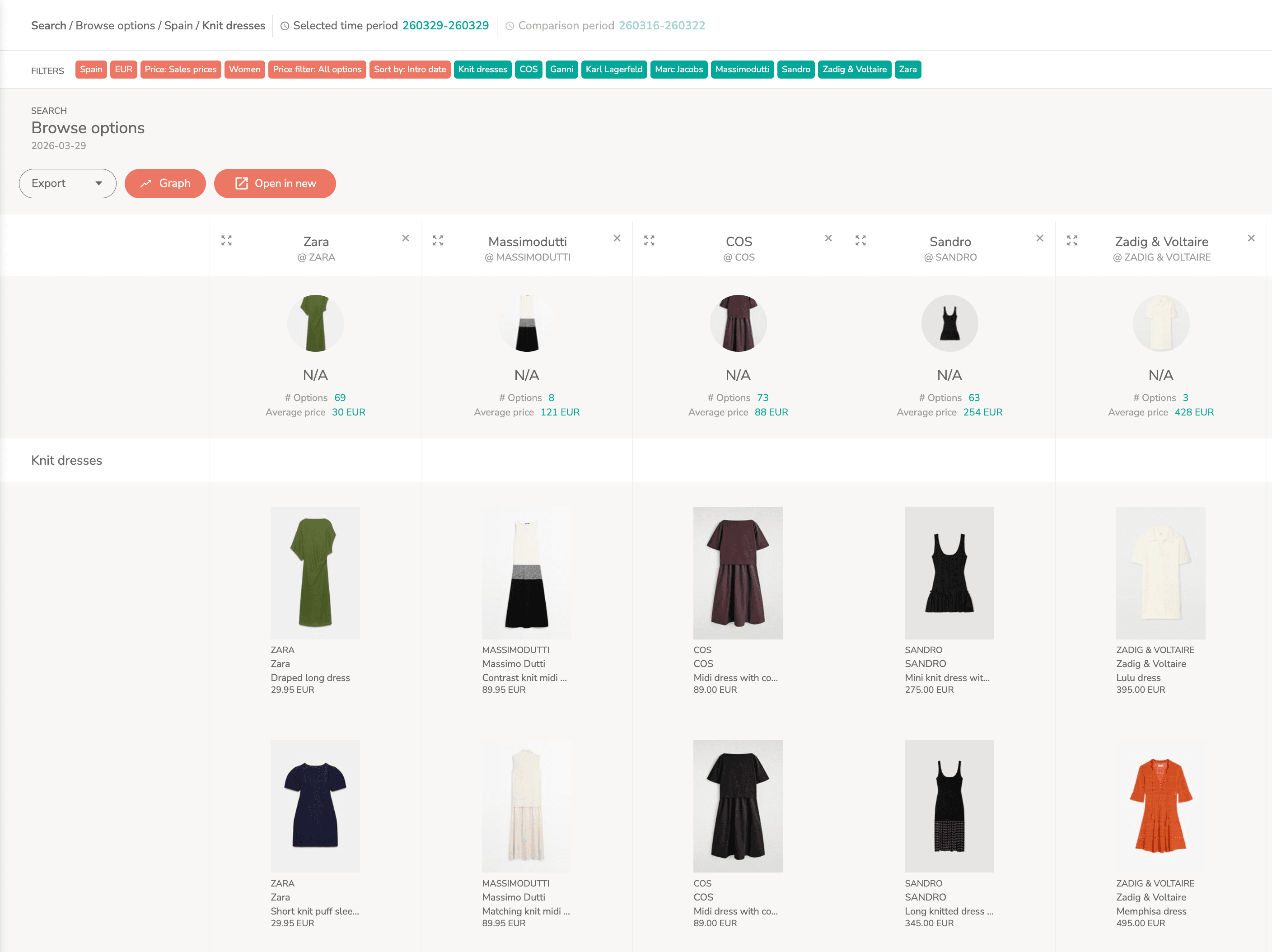
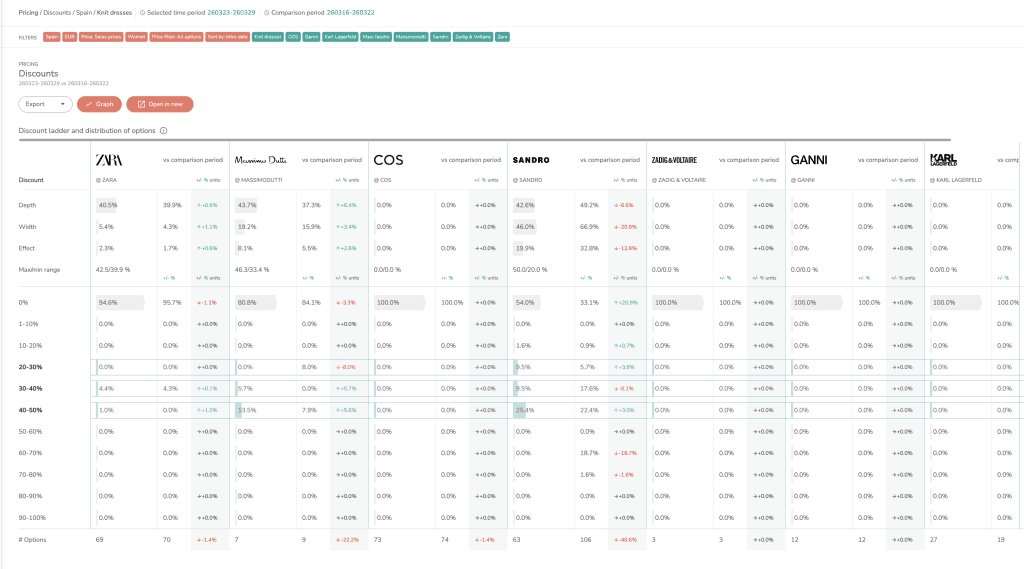
It’s important in all cases to have reliable data in order to understand which scenario you are dealing with. Sales data (volumes, values, rates of sale) and customer feedback (on- and offline) are clearly important and price monitoring tools are also valuable to help you track what’s happening in the marketplace. AI tools can take the pain out of the number-crunching AND identify trends, enabling you to make fast, well-informed decisions. Norna, for example, can provide you with SKU-level price tracking over short or longer-term periods for your own and competitors’ products. Their analytics enable you to derive actionable insights which will support your decision-making and of course then show you the results of those decisions.
Markdown Impacts:
Retail business is almost always partly driven by markdown activities. There are major promotional periods (several of which are driven by online pure players like Amazon) and the more traditional Sale activities (mid-season, end of season clearance). Sometimes these periods are aligned internationally; at other times they can be country-specific (and even mandated by local regulations). This doesn’t preclude the possibility to make individual price reductions at any time, but markdowns are generally more impactful during these specific periods as they’re more visible, and customers are expecting them.
Here the RRP’s usefulness is to highlight the difference between itself and the markdown price. Market factors come into play too: in more price-driven markets, the reductions often need to be more aggressive in order to be effective. If the product has been a best-seller, the clearance needs are much less and the markdown can be less extreme. As with normal selling, monitoring the impact of markdowns is critical to optimise the final achieved margin.
As with RRP’s, psychological pricing should be part of the decision. This should be matched to psychological reduction levels; for example: 50% or half price is always a strong message. How to merge this with a price point? Say the RRP is 115; 50% off would be 57,50 but then 55,00 (a 52% reduction) would be more impactful.
For specific promotions, avoid more than one markdown as you may want to revert to the RRP when the promotion ends. Multiple markdowns within a promotion tell customers that the product is undesirable. Even worse, any customer who bought at the first promotional price will be unhappy if they later see a lower price; you’ll probably have to refund the difference.
In a clearance situation, multiple markdowns may be needed to sell out the remaining inventory. The better the initial markdown is set, the less likely extra markdowns become. Reliable and fast data insights are worth their weight in gold for these decisions.
Mistakes to Avoid:
- Using Old Technology: given the profusion of AI pricing solutions available now and the need for speedy decision-making, it doesn’t make sense to stick with older pricing tools. They are often unable to provide actionable intelligence fast enough. Spreadsheet tools should also be consigned to the archive since they are notoriously prone to error and vulnerable to data quality issues.
- Excessive Discounting: this is obvious but far too many retailers have fallen into the “red pen” addiction. The more you use markdowns and promotions, the more your customers expect them, which makes selling products at full price extremely difficult.
- Organisational Misalignment: in larger companies, there is always the danger of silo behaviour. This is a problem for pricing when the different parts of the organisation sell similar products but with different pricing strategies. The outcome is usually sales cannibalisation and margin erosion. Here, tools like Norna can enable you to identify and resolve these assortment issues.
- Ignoring Inventory and Demand Forecasting: the level of demand for a product, compared to the available inventory, provides pricing signals, either positive or negative. Ignoring these signals can lead to missed opportunities for price increases or excess stock due to diminished demand.
Summary:
- Setting RRP’s is complex and requires the balancing of multiple factors in the decision, including all the external influences.
- Psychological pricing is still important!
- An RRP is only the starting point: in modern retailing there are so many things that can affect the sales performance of a product that it’s critical to continuously monitor the marketplaces and competitors.
- Reliable data, delivered in real or near-real time, are needed to enable the insights that support price change decisions.
- Using the latest AI tools becomes more and more essential to enable better decision-making.
- Internal competition, which cannibalises the business, must be avoided to be successful.
- Efficiency is critical: spend your time making decisions, not number-crunching or data diving. There are tools to do the hard work for you!
The information and opinions expressed in this article are those of the author and do not necessarily reflect those of Norna.